


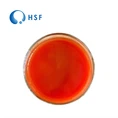

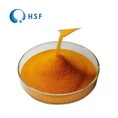
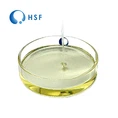
Soy lecithin is a product extracted from the oily feet of soybeans to produce soybean oil. The content in soybeans is 12% to 32%. Soy lecithin is both hydrophilic and hydrophobic, and has an emulsifying effect, so it can promote the digestion and absorption of oil to a certain extent, and can also supplement a certain amount of choline. Soybean lecithin is a by-product produced in soybean oil refining. It has unique physiological functions and is cheap and easy to obtain. It is classified as a safe and natural food additive (leaving agent, antioxidant, improver, and fortifier) by countries around the world, and is widely used in food, medicine, feed, and cosmetics industries.
 |
 |
Since natural phospholipid molecules contain many unsaturated double bonds, they are easily oxidized in the air, affecting their effectiveness. To overcome this defect of natural phospholipids, domestic and foreign researchers have conducted sufficient research on them, mainly through modification of phospholipid products. The modified soybean lecithin makes full use of its functional properties such as emulsification, wettability, dispersion, and viscosity adjustment to improve its application fields and create favorable conditions for the intensive processing of phospholipids.
Functional properties of modified soy lecithin
Promote and improve the absorption and utilization of fat
Modified soybean lecithin has good emulsifying properties and dispersibility, which can prevent the deposition of cholesterol on the blood vessel wall and remove some deposits, further disperse the fat entering the small intestine of animals, and increase the contact area between fat and intestinal mucosa. It can promote the digestion and absorption of lipids and fat-soluble vitamins in the small intestine, improve the digestion, absorption, transport, and utilization of fat, improve blood oxygen supply and circulation, repair liver cells, and promote liver cell regeneration.
Enhance immune function
Modified soybean lecithin has the function of enhancing the body's immunity. It can promote the phagocytosis function of phagocytes and the proliferation of lymphocytes. Unsaturated fatty acids such as linolenic acid contained in modified phospholipids can effectively regulate the production of arachidonic acid, leukotrienes, and prostaglandins, increase antibody production and reduce inflammatory reactions, and improve the animal body's resistance to disease.
 |
 |
Protect and enhance liver function
Modified soybean lecithin has a strong affinity for fat. It can combine with fat in animals and be metabolized by the liver through blood circulation in the form of phospholipids. If the human body lacks choline, fat will accumulate in large amounts in and between liver cells. Accumulated fat not only takes up a lot of space, but also affects the normal physiological functions of liver cells, and even causes inflammation and swelling of liver cells, blocks blood circulation, and causes the death of liver cells.
Antioxidant and anti-aging effects
Modified soy lecithin has antioxidant function. Modified soybean lecithin can resist aging because phospholipids can protect and repair cells, and can also dissolve and remove certain peroxidized lipids, activate brain cells, and regulate and improve the endocrine system, thereby delaying the aging process.
 |
 |
Application of modified soy lecithin in the food industry
Emulsifier
The emulsifying properties of modified soybean lecithin can improve the properties of oil. By mixing modified phospholipids and high-melting-point grease, grease with a melting point ranging from 25°C to 75°C can be made, which has good shortening properties and excellent storage stability. Modified phospholipids are used as food additives in baked goods, which can increase dough volume, uniformity, and shortening, and extend the shelf life of food. The phospholipid-protein complex formed by combining modified phospholipids with egg protein, whey protein, casein, soy protein, wheat protein, or gelatin has sufficient emulsifying ability. After adding fat, an emulsion is formed that is suitable for making sponge cakes. It is often used because it can improve the smoothness of the cake surface. In addition, it can also be used as an emulsifier in beverages, creams, etc. to enhance the solubility and dispersion of solutes.
 |
 |
Antioxidants
Modified soy lecithin has a good antioxidant function. Used in chocolate products, it has the functions of reducing viscosity and anti-oxidation; used in baked goods, it can improve the water content of the product, and it can also increase the texture and stretchability of cake frosting, improve dough quality, resist aging and extend the shelf life of food.
Antibacterial agents
Modified phospholipids have broad-spectrum antibacterial properties. Fungi, especially heat-resistant ascomycete fungi, can easily cause food spoilage. Such problems can be significantly improved by adding trace amounts of modified phospholipids before sterilization. Additives containing modified soy lecithin are used in more foods as surface antibacterial coatings on foods to extend the shelf life of foods.
Nutrition supplements
Modified soybean lecithin is a natural surfactant that not only has various functions such as emulsification and dispersion but also is a pure natural high nutritional fortifier because it is rich in unsaturated fatty acids, choline, and other nutrients. The surface activity of modified soybean lecithin can emulsify lipids, promote the digestion and absorption of lipids and fat-soluble vitamins in the small intestine, and also play an important role in human muscle growth, nervous system development, and antioxidants.
 |
 |
HSF Biotech's Modified Soy Lecithin
HSF, a professional company deeply involved in the field of modified soybean lecithin, always adheres to the concept of technological innovation and quality first and provides excellent products and services to customers around the world. The modified soybean lecithin we produce is available in powder, granular, and liquid forms, and has won wide recognition and praise from the market with its unique properties and wide range of applications.
 |
|
 |

In the production process of modified soybean lecithin, HSF pays attention to every detail and strictly controls the source of raw materials and the production process. We select high-quality soybeans as raw materials and use advanced physical and chemical modification technology to optimize the molecular structure of phospholipids, thereby improving their stability, solubility, and biological activity. At the same time, we introduce internationally advanced production equipment and processes to ensure that the purity and quality of our products reach industry-leading levels.
For more details, please contact us:
Email: sales@healthfulbio.com
Whatsapp: +86 18992720900