


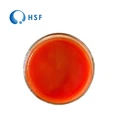

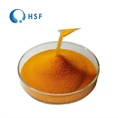
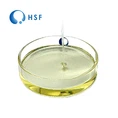
Beta-carotene (C40H56) is one of the carotenoids, an orange-yellow fat-soluble compound. It is the most common and stable natural pigment in nature. Carrots contain a lot of beta-carotene, which can be converted into vitamin A after being ingested by the human digestive organs. It is the safest vitamin A supplement. It maintains eye and skin health, improves night blindness, rough skin, and helps protect the body from free radical damage. It is not recommended to take with acidic substances such as vinegar.

β-Carotene can improve the immune function of the body, and has certain preventive, delaying and adjuvant therapeutic effects on cardiovascular diseases, certain tumors, aging, photosensitive diseases, and cataracts. Beta-carotene is a powerful antioxidant vitamin. Its physiological activity of quenching reactive oxygen species and scavenging free radicals is 15 times that of vitamin E, and it has health care functions such as anti-cancer, anti-cardiovascular disease, and anti-cataract.
β-Carotene mainly includes synthetic type and natural type, and the natural type is divided into fermentation method and plant extraction method. Limited by the low content and purity of raw materials, the yield of natural beta-carotene is very small. Compared with the natural type, synthetic beta-carotene has a lower price and a larger output and market size.
Beta-carotene is a precursor to vitamin A, an essential micronutrient for the human body. Vitamin A deficiency can also result when the body is deficient in beta-carotene. A lack of vitamin A can lead to sloughing, thickening and keratinization of the corneal epithelium, leading to corneal ulcers and even night blindness.
A lack of vitamin A can also impair the growth and differentiation of epithelial tissue cells, resulting in thickened, dry, crusted or wrinkled skin. In addition, infants and young children who are deficient in vitamin A are susceptible to diseases such as pneumonia, measles, and diarrhea.