





Plant Sterol Ester is a light yellow oily paste obtained through the esterification of natural phytosterols with fatty acids. Phytosterols are naturally occurring compounds found in vegetable oils, grains, fruits, and vegetables. They have a steroid structure similar to cholesterol and play a crucial role in stabilizing the phospholipid bilayer structure of cell membranes.

Plant sterols compete with cholesterol for absorption sites in the intestine, effectively reducing the absorption of LDL cholesterol. This mechanism has been recognized by regulatory authorities worldwide. The U.S. FDA approved a health claim for plant sterols in 2000, and the European Food Safety Authority (EFSA) has also issued a positive scientific opinion.
Despite their excellent nutritional and health benefits, phytosterols are very poorly soluble in both water and oil, which limits their use in food processing and their physiological effects. When the hydroxyl group at the C-3 position of the sterol is esterified with a fatty acid to form a Plant Sterol Ester, the lipophilicity is significantly enhanced compared to free phytosterols. This makes it more effective for cholesterol management and enables its easy incorporation into fat-containing foods, such as margarine, dairy products, and baked goods. Clinical studies have shown that adults can effectively support healthy cholesterol levels by consuming 1.3 grams of plant sterol esters per day
Chemical Structure & CAS No.
| Component | CAS No. |
|---|---|
| β-sitosterol | 83-46-5 |
| Stigmasterol | 83-48-7 |
| Campesterol | 474-62-4 |
| Brassicasterol | 474-67-9 |

Nutrition Facts (Per 100g Plant Sterol Ester)
|
Items |
Unit |
Value |
|
Energy |
kJ |
3684 |
|
Protein |
g |
0 |
|
Total fat |
g |
99.1 |
|
Carbohydrate |
g |
0.8 |
|
Sodium |
mg |
0 |
Technical Advantages
Full Industrial Chain Technical Barriers
To address the stringent requirements for industrial production processes under the new policies, HSF has demonstrated strong engineering capabilities. The company holds 59 invention patents and has integrated core technologies including oil esterification and molecular distillation, and functional factor microencapsulation.
High Purity Supply: Offers high-purity products extracted from soybean and pine sources, such as the LowChol® series of Plant Sterol Esters (paste with 97% purity) and the MaxSterol® series of phytosterols (purity up to 95%-98%), fully meeting the potential high-purity demands of the new national standards.
Innovative Solutions: HSF invented a thin-film reaction coupled separation technology that avoids the use of solvents and catalysts in the manufacturing process. In 2014, HSF established a domestic production line for plant sterol esters, achieving localization.
Addressing Solubility Challenges: To solve the industry-wide problem of sterol insolubility, HSF has developed the LowChol® series (available in paste form for fat-based applications) and water-dispersible microencapsulated powders (for beverages and solid drinks)
Flow Chart
Plant sterol ester production process is as follows:

How Plant Sterol Ester Works
Plant sterol esters lower the absorption of cholesterol through a well-established multi-step mechanism:
Competitive Absorption: In the intestine, plant sterols compete with cholesterol for space within mixed micelles, thereby reducing cholesterol absorption.
Inhibiting Esterification: Plant sterols compete for the Niemann-Pick C1-Like 1 (NPC1L1) transporter protein in the intestinal lumen, reducing cholesterol ester formation. They also induce the expression of ABCG5/ABCG8, which inhibits cholesterol synthesis in liver tissue.
Promoting Efflux: Plant sterols can activate efflux transporter proteins (such as ABCG5/G8) on intestinal cells, pumping cholesterol that has already entered the cells back into the intestinal lumen.
Regulating Synthesis: Plant sterols inhibit the activity of HMG-CoA reductase, the rate-limiting enzyme in hepatic cholesterol synthesis, thus regulating endogenous cholesterol production from the source.

Functions
Supports Healthy Cholesterol Levels Already Within Normal Range: Helps maintain healthy LDL cholesterol and total cholesterol levels.
Promotes Cardiovascular Wellness: Supports overall heart health through its cholesterol-balancing action.
Natural and Plant-Based: A clean-label ingredient derived from natural plant sources (soybean and pine).
Antioxidant Properties: Plant sterols also contribute to antioxidant activity.
Applications
The enhanced lipophilicity and diverse product forms of Plant Sterol Ester enable a wide range of applications:
Food Industry:
Dairy and Alternatives: Yogurt, milk, cheese, plant-based milk beverages.
Spreads and Oils: Margarine, butter blends, cooking oils.
Baked Goods: Bread, cakes, pastries, cookies.
Beverages: Functional drinks, juices, smoothies.
Confectionery: Chocolates, candies.
Dietary Supplements:
Softgels, capsules, tablets, and gummies.
Cosmetics & Personal Care:
Skincare products (creams, lotions, serums) for their skin-conditioning and antioxidant benefits.
HSF Plant Sterol Ester Series
| Product Name | Source | Form | Purity/Specification | Key Feature |
|---|---|---|---|---|
| LowChol®-S Plant Sterol Ester | Soybean | Paste | 97% | High purity, oil-soluble, ideal for fat-based applications |
| LowChol®-P Plant Sterol Ester | Pine | Paste | 97% | High purity, oil-soluble, alternative source |
| LowChol®-W Water-Dispersible Plant Sterol Ester | Soybean/Pine | Microencapsulated Powder | 50%, 67% | Water-soluble, ideal for beverages and dry mixes |
| LowChol®-Y Plant Sterol Isostearate | Soybean/Pine | Paste | 97% | Enhanced oil solubility |
| MaxSterol®-PF Phytosterol | Soybean | Powder | 95% | High purity free phytosterol |
| MaxSterol®-PS Phytosterol | Pine | Granule | 98% | High purity free phytosterol |
FAQ
Q1: What is Plant Sterol Ester and how does it work?
A1: Plant Sterol Ester is a compound formed by esterifying plant sterols with fatty acids. It works by competing with cholesterol for absorption in the intestine, effectively reducing the absorption of LDL cholesterol and supporting healthy cholesterol levels already within the normal range.
Q2: How is Plant Sterol Ester different from free phytosterols?
A2: Plant sterol esters have enhanced lipophilicity compared to free phytosterols, making them much more soluble in oils and fats. This improves their effectiveness and allows them to be easily incorporated into fat-containing foods and other applications.
Q3: What is the recommended daily intake?
A3: Clinical studies and regulatory recommendations suggest that consuming around 1.3 grams of plant sterol esters per day is effective in helping to maintain healthy cholesterol levels . This can be achieved through a single serving of a fortified food or supplement.
Q4: Is HSF's Plant Sterol Ester safe and compliant?
A4: Yes. Plant Sterol Ester is listed as a new food ingredient by China's National Health Commission. HSF's products are manufactured under strict quality standards and hold ISO, Kosher, Halal, and Non-GMO certifications, ensuring full compliance with global regulations.
Q5: What forms does HSF offer and which should I choose?
A5: HSF offers Plant Sterol Ester in high-purity paste form (LowChol®-S/P) for oil-based applications like spreads and baked goods, and as water-dispersible microencapsulated powder (LowChol®-W) for beverages and dry mixes. Please consult our technical team for the best option for your specific formulation.
Qualification
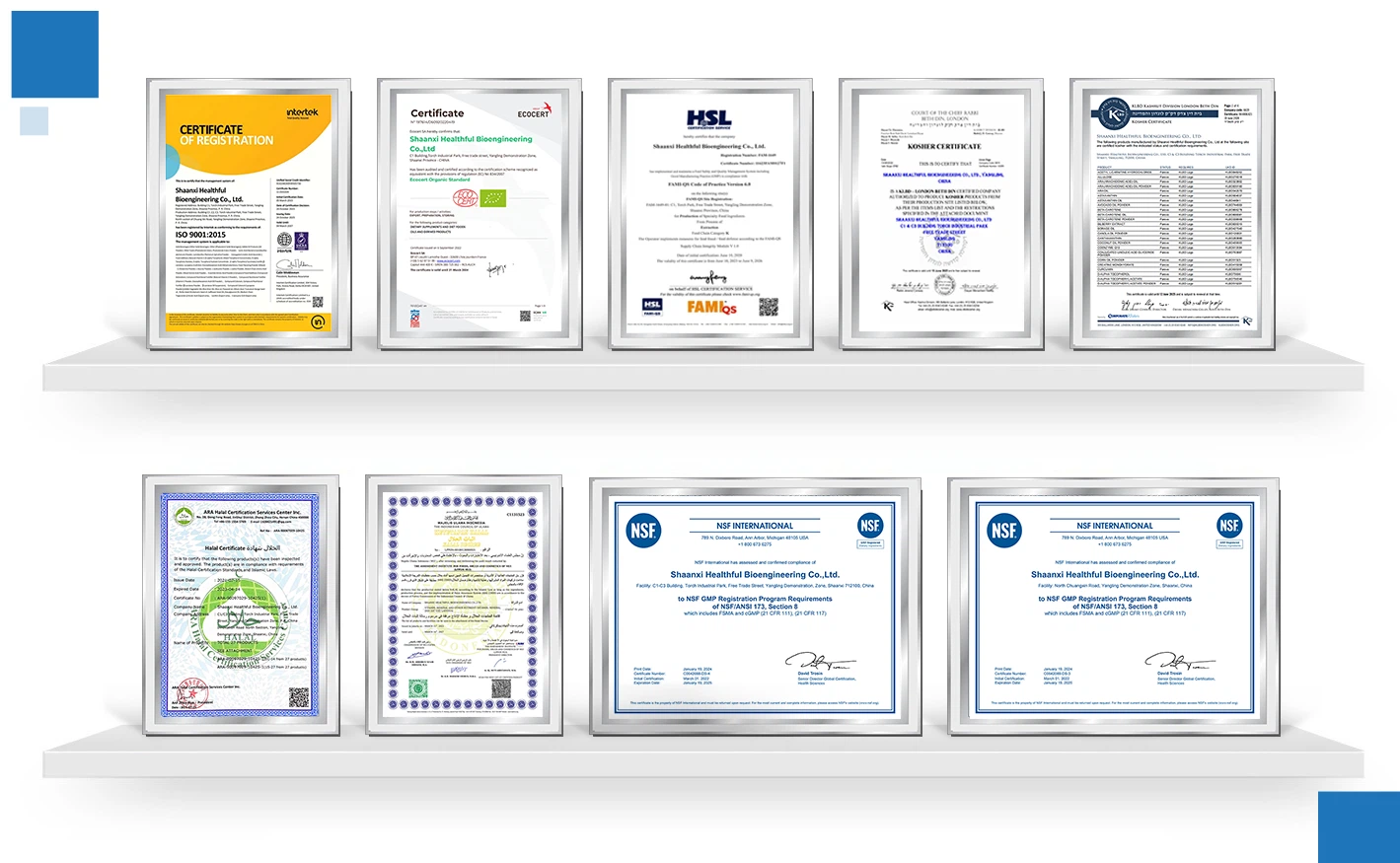
Certificates such as ISO9001, ISO22000, FAMI-QS, IP(NON-GMO), Kosher, Halal are in place.
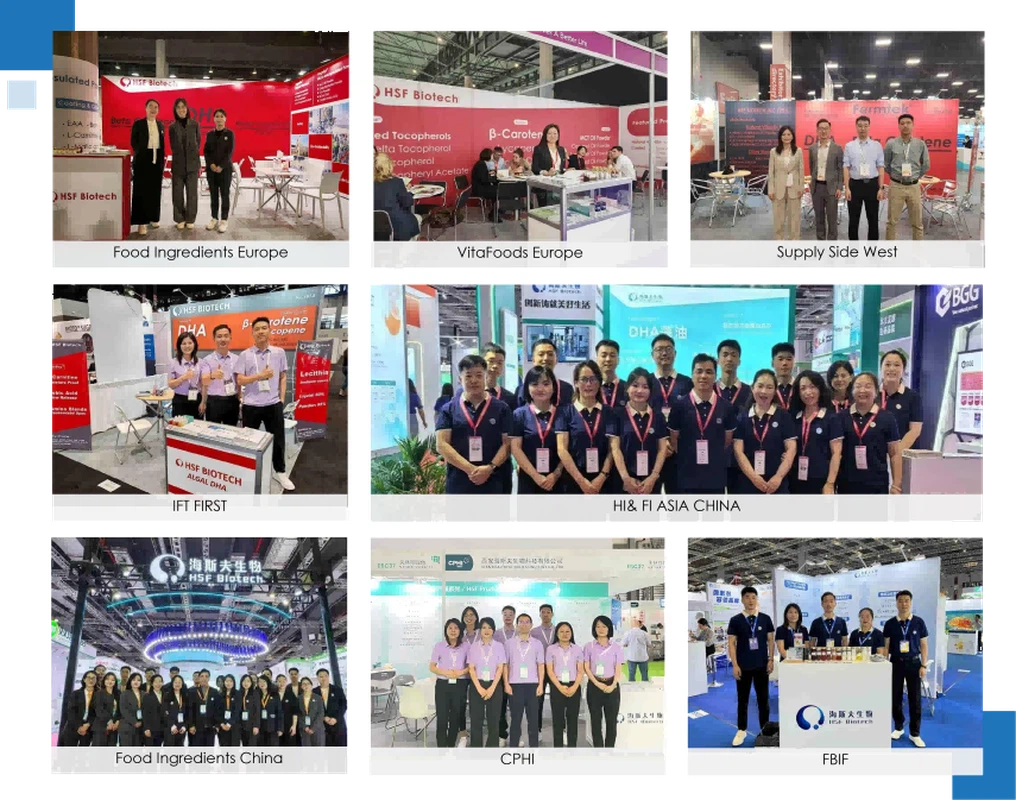
Worldwide Exhibitions
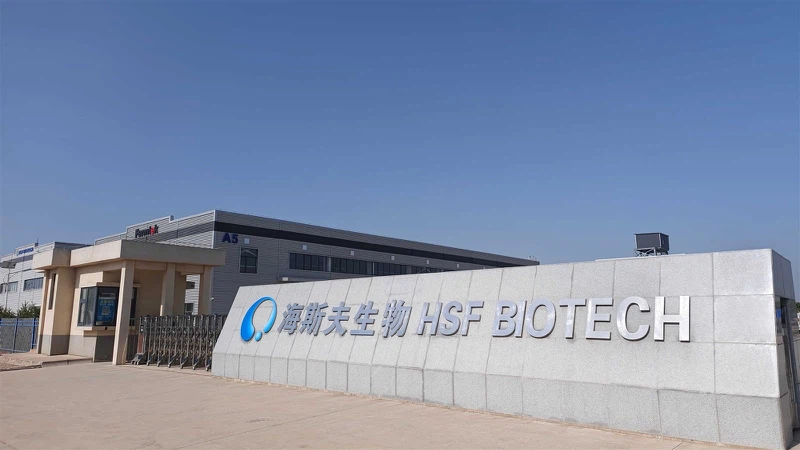
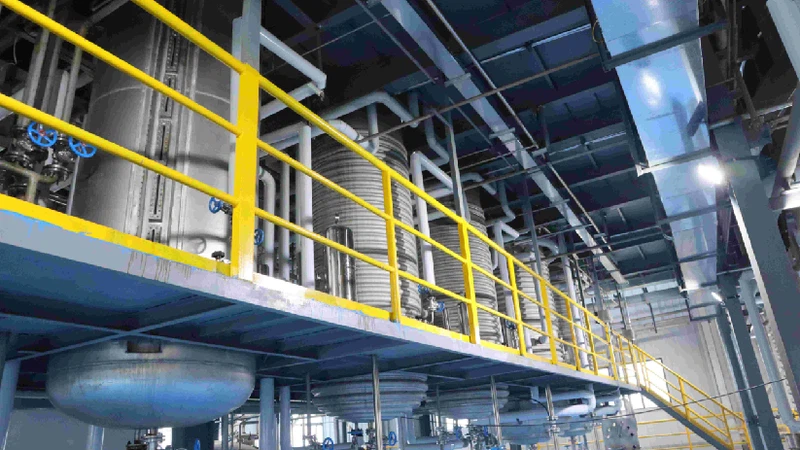
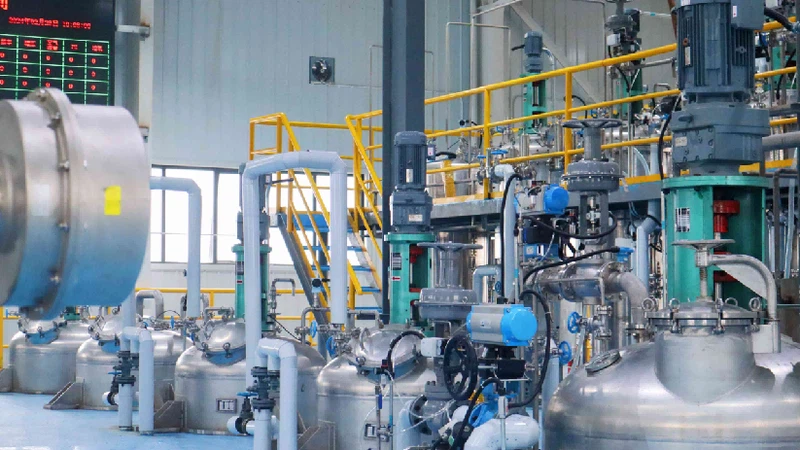
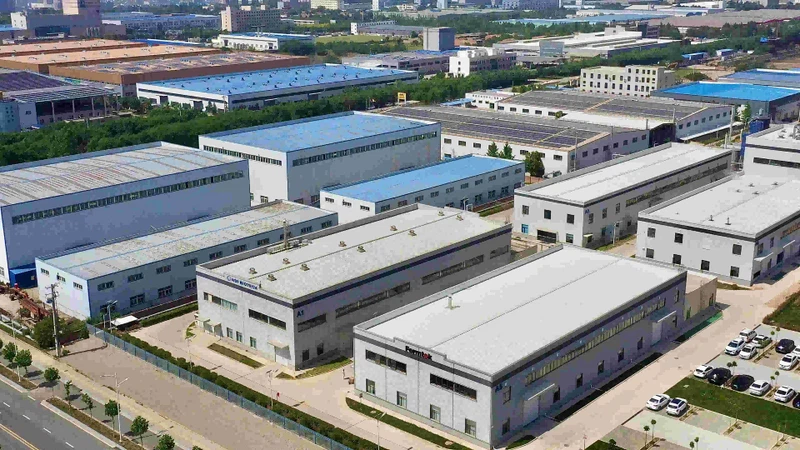
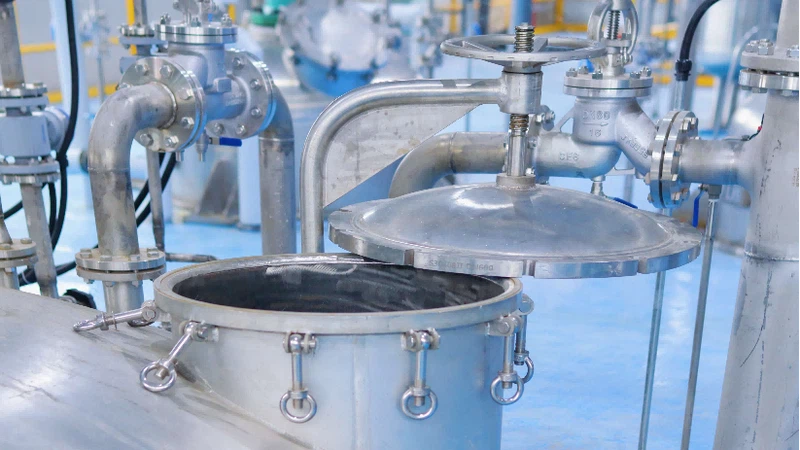
Factory View (Click for video details)
 |
|
 |
 |
|
 |
 |
|
 |
Hot Tags: plant sterol ester, China, factory, manufacturers, supplier, producer, wholesale, buy, price, bulk, best, for sale, 50 Tocopherols concentrate, Chinese Top, Natural Vitamin E Succinate 1185IU, Phytosterol Ester Powder, Tocopherol Tocopheryl Powder, water soluble vitamin E


